

Reverse Mortgage Options: HECM, Proprietary, and Single-Purpose Reverse Mortgage Loans
This guide reviews HECM, proprietary, and single-purpose reverse mortgages. It explains how each works, its pros and cons, common issues, payoff rules, and the application process. Reverse mortgage loans enable homeowners aged 62 or older to convert home equity into cash without requiring monthly mortgage payments. Home equity refers to the difference between a property’s value and the outstanding balance of the mortgage.
With a reverse mortgage, the loan balance increases over time and is repaid when the home is sold, the borrower moves out, or the borrower passes away. The FHA-backed Home Equity Conversion Mortgage (HECM) is the most prevalent option.
This guide, created by Mortgage Lenders for Bad Credit, a wholly owned subsidiary of Gustan Cho Associates, provides an overview of the three main reverse mortgage options and their key features. A reverse mortgage allows older homeowners to access their home’s value as cash while retaining ownership. Funds can be received as a lump sum, in monthly payments, as a line of credit, or in a combination of these, depending on the lender.
How Does a Reverse Mortgage Work
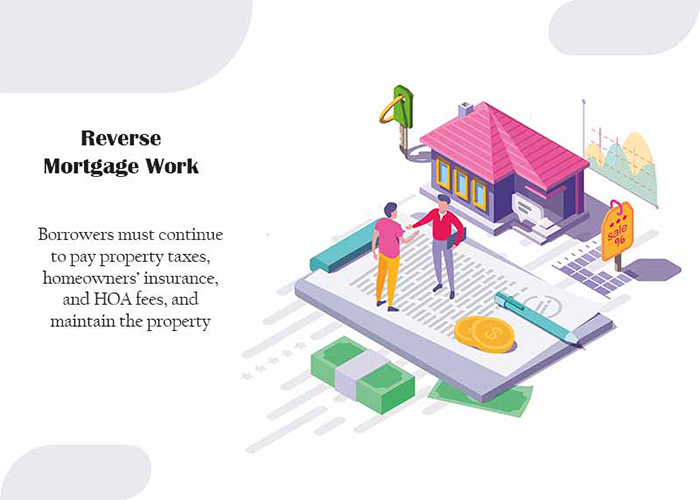
Most reverse mortgages do not require monthly payments if the borrower lives in the home and meets program requirements. Borrowers must continue to pay property taxes, homeowners’ insurance, and HOA fees, and maintain the property. Missing these payments, especially taxes or insurance, can cause financial hardship.
Want to Tap Your Home Equity Without Making a Monthly Payment?
Call Gustan Cho Associates at 800-900-8569 to review your reverse mortgage options and see if it’s a good fit
The Three Types of Reverse Mortgage Options
Reverse mortgages are classified into three main types.
The most common reverse mortgage is the HECM, or Home Equity Conversion Mortgage.
- This program is regulated by the Federal Housing Administration (FHA) and includes protections such as mandatory counseling from a HUD-approved housing counselor before closing.
- HECM loans have a borrowing limit, known as the Maximum Claim Amount (MCA), established by HUD.
- For 2025, the limit is $1,209,750, including special exception areas such as Alaska, Hawaii, Guam, and the U.S. Virgin Islands.
Proprietary Reverse Mortgage
- A proprietary reverse mortgage is a private loan not backed by the government and is available through select lenders.
- This option is often suitable for homeowners with high-value properties who require a loan amount exceeding the HECM limit.
- Because these loans are not FHA-insured, terms, costs, and protections vary by lender.
Purpose Reverse Mortgages
- Single-purpose reverse mortgages are usually offered by local governments or nonprofits and may be used only for specific purposes, such as home repairs or property taxes.
- These loans are uncommon, and eligibility is often based on income or program criteria.
- Typically, no minimum credit score is required.
eligibility Requirements on reverse Mortgage loans: Age, Occupancy, and Property Requirements
For most reverse mortgages, at least one borrower must be 62 or older, and the home must be the primary residence. The property must meet certain guidelines. HECM loans follow HUD and FHA requirements, and borrowers must continue to live in the home. Under HECM rules, lenders review the borrower’s finances to ensure they can cover future expenses, including property taxes and insurance. They also assess credit history, payment habits, income, and other financial factors.
Reverse Mortgage Counseling (HECM)
HECM loans are federally insured, and counseling with a HUD-approved housing counselor is required before closing. After completion, borrowers receive a certificate. This counseling provides important protections for HECM participants.
Key Features of reverse Mortgages
- No Monthly Payments: Borrowers never have to make monthly mortgage payments as long as they stay in the home.
- Loan Payment: The mortgage, plus all accumulated interest and any fees, is repaid when the house is sold.
- Keep the Home: The borrower retains ownership of the home and is responsible for all property taxes, insurance, and maintenance.
- Credit Doesn’t Matter: Even individuals with poor credit may qualify, as the loan is based solely on home equity and age.
Reverse Mortgage Payout Choices: How You Receive the Money
A reverse mortgage lets you access your home equity without selling your home. Mortgage Lenders for Bad Credit specializes in helping clients, regardless of credit, get reverse mortgages. This guide outlines your options for a reverse mortgage.
With a reverse mortgage, borrowers can receive funds as a line of credit, monthly payments, a lump sum, or a combination, depending on the program.
HECM loans, also known as Home Equity Conversion Mortgages, enable borrowers to tap into a portion of their home equity. With a reverse mortgage, the borrower is paid. This is the opposite of a traditional mortgage, where the borrower makes monthly payments and is not paid by the lender. A reverse mortgage loan becomes due and payable when the borrower sells the home, moves out of the home, or passes away.
Reverse Mortgage Example
- For example, a 70-year-old homeowner with a $400,000 property and a $50,000 mortgage could use a reverse mortgage to pay off the existing loan.
- The remaining equity could then be accessed as a line of credit for retirement, medical expenses, or home improvements.
- Even with significant home equity, the amount available to borrow may not meet all financial needs, and the loan balance increases as interest and fees accrue.
- HUD requires HECM counseling for this reason.
- While there are benefits, common issues are often reported.
Second Reverse Mortgage Example
- Another 70-year-old homeowner has a fully paid-off home worth $400,000.
- They decide to get a reverse mortgage and receive a lump sum of $200,000.
- Within the next 10 years, interest accrues on that loan, bringing the total balance to $250,000.
- If the homeowner sells the home for $450,000, $250,000 will be used to pay off the loan, and $200,000 will be left for the homeowner or their heirs.
Reverse Mortgage Loan Complaints
- Despite their benefits, most reverse mortgage complaints focus on similar issues.
- Misleading advertisements can cause confusion, and many borrowers do not fully understand their obligations or costs.
- Missing property tax or insurance payments is a frequent problem.
- According to the CFPB, nearly 10% of reverse mortgage borrowers risk losing their homes, and many struggle to avoid foreclosure even when they try to prevent it.
- Reverse mortgages involve both upfront and ongoing costs, which vary by loan type.
- HECMs often have higher closing costs due to FHA insurance.
- Comparing offers and understanding their long-term impact is essential.
Reverse mortgages are often beneficial, but some borrowers have expressed concerns for the following reasons.
- High Fees and Closing Costs: Origination Fees, mortgage insurance premiums, and closing costs can add to the overall cost of reverse mortgages.
- Complex Terms: Some borrowers may find the loan terms confusing, which can lead to a misunderstanding of the loan terms.
- Risk of Foreclosure: Failing to pay property taxes or neglecting home maintenance may result in losing the home.
- Reduced Inheritance: Since the loan is paid back using home equity, heirs will receive in their inheritance.
Declining Home Equity and Impact on Heirs Over Time
- As the loan balance grows, heirs may inherit less home equity and must decide whether to keep or sell the property when repayment is required.
- A reverse mortgage must be repaid when the last borrower leaves the home, sells it, or passes away.
- Repayment occurs in one of these situations:
- The loan is repaid when the borrower or heirs sell the home and use the proceeds to pay off the balance.
- Alternatively, the loan may be refinanced into a forward mortgage or paid off directly.
- FHA-insured HECMs offer important protections. If the debt exceeds the home’s value, heirs can usually settle the mortgage by selling the property for at least 95% of its appraised value.
- Mortgage insurance covers any remaining shortfall.
Retired and Feeling Squeezed by Inflation? Use Your Home to Help You Breathe
Reach out today and let us walk you through your reverse mortgage options in simple, no-pressure terms
Some good and bad things about reverse mortgages
Reverse mortgages have both advantages and disadvantages. They can help seniors stay in their homes by eliminating monthly mortgage payments and providing extra retirement funds. HECMs and proprietary loans expand financial options, and HECMs offer added protection through FHA insurance must remain current on property taxes, homeowners’ insurance, and HOA dues. Failure to make these payments or maintain the home can result in foreclosure. Many borrowers do not fully understand their ongoing responsibilities and risks. As the loan balance increases, less equity remains for heirs.
How Do You Pay Back a Reverse Mortgage
A reverse mortgage is paid back once the borrower.
- Sells the Home: The proceeds from the mortgage will be used to pay off the reverse mortgage loan.
- Moves Out Permanently: If the borrower resides elsewhere for 12 or more consecutive months, the loan becomes due and payable.
- Passes Away: After the borrower passes away, repaying the loan becomes the responsibility of the heirs.
- They may choose to repay the loan and keep the home, or sell the home to satisfy the debt.
- If the sale of the home exceeds the amount due, the heirs receive any remaining equity.
Pros and Cons of a Reverse Mortgage
PROS:
- A reverse mortgage provides homeowners with access to their home equity while allowing them to remain in their home.
- No Monthly Payments: Financial pressures typically felt by retirees are no longer an issue.
- Flexible Use of Funds: Borrowers can use the funds for any purpose they choose.
- Credit-Friendly Approval: Loans may be available to individuals with poor credit.
CONS:
- High Costs: Interest and various reverse mortgage fees can build over time.
- Reverse mortgages reduce home equity and leave less for heirs.
- Risk of Foreclosure: Failing to meet the obligations of the reverse mortgage can result in the borrower losing their home.
- Complex Process: A reverse mortgage is not a simple process, and individuals must take the time to consider all its aspects.
reverse Mortgage Process: From Application to Closing
This section outlines the reverse mortgage process, with a focus on HECM reverse mortgages. Start by identifying your financial goals, such as increasing cash flow, establishing a credit line, or paying off debt. Confirm you meet the age, home, and property requirements before deciding if a reverse mortgage is appropriate.
Initial Counseling Session
- Speak with a Mortgage Lender for Bad Credit to get more information and start the process.
- Our professionals will analyze your age, equity, and home value to provide you with potential loan options.
HUD-Certified Counseling
For HECMs, complete counseling with a HUD-certified counselor and obtain a certificate. Next, submit the loan application and review documents outlining costs, payment options, and requirements.
The lender orders an appraisal and reviews your application.
For HECMs, the lender also verifies your ability to pay property charges and meet loan terms.
Closing
At closing, the borrower signs the final documents and selects how to receive funds. The money is then disbursed according to program rules and the borrower’s choice. After closing, borrowers must continue to live in the home and maintain it in good condition. Staying current on taxes, insurance, and HOA dues, as well as following occupancy rules, is essential to avoid default.
Many are unaware that reverse mortgages, especially HECMs, are approved differently from traditional mortgages. HECM guidelines assess overall finances and the ability to pay property expenses, not just credit score.
Applicants considered higher risk may be required to set aside funds for insurance and taxes. Even if a refinance or home equity line of credit has been denied due to credit issues, a reverse mortgage may still be an option. It is essential to understand all costs, requirements, and the potential impact on home value.
Not Sure How a Reverse Mortgage Really Works?
Contact Gustan Cho Associates for a personalized reverse mortgage review so you can decide with confidence
Reverse Mortgages FAQs
Can I Get a Reverse Mortgage With Bad Credit?
- Yes, because reverse mortgages rely more on the equity in the home and the borrower’s age, rather than their credit score.
- Nonetheless, lenders may review your financial record to determine if you can afford the property taxes and insurance.
What Happens if I Outlive the loan?
- You can keep living in the home as long as you meet the loan obligations.
- The loan is repaid when the home is sold or you pass away.
Can I lose My Home with a reverse mortgage?
- You can lose your home if you don’t pay your property taxes, keep the home in good shape, or don’t keep up with your home insurance.
- Other than that, you still own the home.
How Much Can I borrower with a reverse mortgage?
- How much you can borrow depends on the borrower’s age, interest rates, and the value of the home.
- Typically, older borrowers receive more favorable loan terms than younger ones, and homeowners with a higher value in their home can usually borrow more.
Are Reverse Mortgages Tax Deductible?
- No, reverse mortgage funds are considered loans and not taxable income.
- This means reverse mortgages are not taxable.
Can Heirs Inherit The Home?
- Yes. Heirs must pay off the reverse mortgage to keep the home, or sell it to do so.
- Any remaining equity after the sale will be distributed to the heirs.
What is a reverse mortgage in simple terms?
- A reverse mortgage allows qualified senior homeowners to receive a portion of their home equity in cash.
- The repayment of the mortgage will be triggered by the borrower’s death, relocation, or sale of the home.
- Monthly mortgage payments are not required.
What are the three types of reverse mortgage options?
- There are three main types of reverse mortgages: HECM (FHA-insured).
- Proprietary/jumbo reverse mortgages.
- Single-purpose reverse mortgages (often provided by local agencies or nonprofits).
Is reverse mortgage counseling required?
- Yes, for a HECM reverse mortgage, counseling is required for initiators of the mortgage to speak to HUD-approved counselors.
- For all reverse mortgages, the HUD requires borrowers to complete a counseling session with an approved agency before the loan is issued.
- These steps are designed to ensure that the homeowner understands all the requirements for obtaining a reverse mortgage, including the fees and conditions.
- Submission of the Application: Submit your application along with the required documents, such as proof of income, property details, and ID.
- We will review your application and address any credit-related questions you may have.
- Appraisal and Underwriting: The market value of the property, in this case, your home, is determined through a home appraisal. The underwriter reviews your file to ensure it meets the lender’s and HUD’s requirements.
- After approval, you’ll get a loan estimate.
- Sign the closing documents to receive your funds.
Do I still have to pay property taxes and homeowners’ insurance?
- Yes.
- There are no monthly mortgage payments, but borrowers must still pay taxes and insurance, and maintain the home in good condition.
- Insurance is meant to protect the lender.
- Failing to keep up with home maintenance is a common reason borrowers get into trouble.
What happens if my loan balance becomes bigger than my home value?
- FHA-insured HECM reverse mortgages are typically “non-recourse” loans.
- This means that repayment will never exceed the home value under the program guidelines.
- Mortgage insurance will cover some of the gaps in the reverse mortgage.
What can heirs do when a reverse mortgage borrower passes away?
- In some instances, heirs can sell the house, refinance, or pay off the reverse mortgage balance.
- Heirs in the case of HECMs, however, may only be able to satisfy the debt by selling the house for at least 95% of its appraised value if the debt owed exceeds the house’s value.
Is it possible to pay off a reverse mortgage early?
- Certainly.
- Most of the time, borrowers do this by selling the house or refinancing the mortgage to a forward mortgage, and heirs can do the same.
What is the most common reverse mortgage complaint?
- The most common complaints include a lack of clarity regarding reverse mortgage obligations, misleading advertisements, poor service, and the risk of foreclosure if taxes and insurance payments are not made.
Is there a difference in risk between proprietary reverse mortgages and HECMs?
- Because proprietary reverse mortgages are not insured by the FHA and terms can vary by lender, the risks of having fewer protections and higher costs are more likely.
Can single-purpose reverse mortgages be found in all locations?
- No.
- These are usually single-location programs and may be subject to geographic, economic, and purpose-based restrictions.
Is there a credit check for a reverse mortgage?
- When it comes to HECM, a financial review is conducted that balances credit history, payment ability for taxes and insurance, and other factors, so it is not just a credit score cutoff.
Reverse mortgages provide additional financial support to many retirees, but they also carry risks. If you need to cover unexpected expenses or additional support for your retirement, the First Mortgage Team will help you with your mortgage. We help you make educated decisions.
Explore All Your Retirement Housing and Equity Options in One Call
Apply online 24/7 or contact Gustan Cho Associates to get a clear, side-by-side breakdown of your reverse mortgage options before you decide
